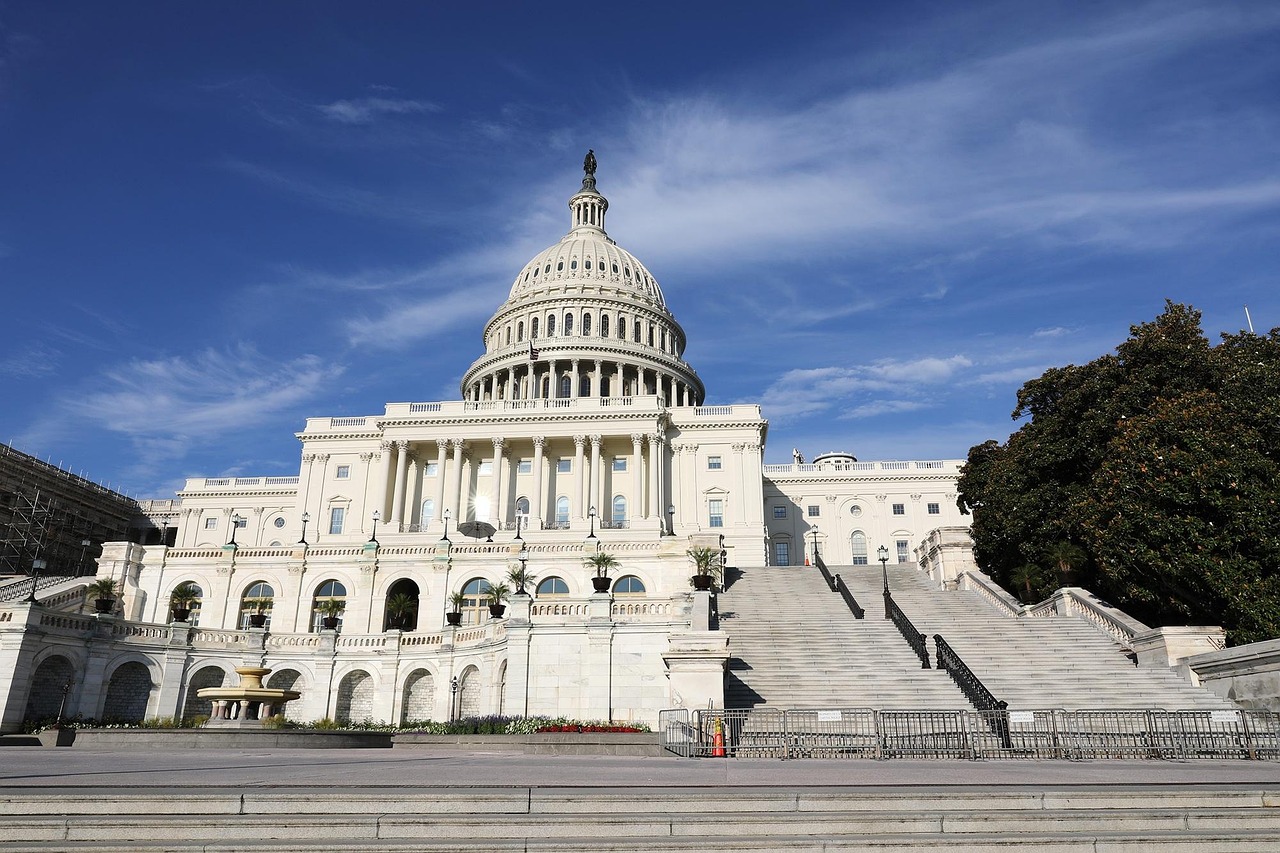
As the Senior Editorial Board, we analyze this event through geopolitical, international affairs, and regional intelligence lenses. Donald Trump (former and potentially current U.S. President) is the central actor, delivering a speech to Congress, the legislative branch of the U.S. government. His strategic interest lies in shaping public and political narratives at a critical juncture for his leadership, amid a 'changed America' that implies evolving domestic challenges. Historically, joint addresses to Congress by presidents are rare and high-profile, used to rally support, outline agendas, or respond to crises, providing Trump a platform to reassert influence. Geopolitically, this speech holds stakes for U.S. power dynamics, as presidential addresses to Congress signal policy directions that ripple globally—trade partners, allies, and adversaries watch closely for shifts in American strategy. The 'vital moment' suggests internal pressures like polarization or economic shifts, but without specifics, it underscores Trump's position as a key actor navigating U.S. domestic politics, which directly impacts international relations. Cross-border implications include how U.S. policy pivots affect NATO commitments, trade with China, or aid to Ukraine, affecting nations worldwide. From a regional intelligence perspective, America's 'changed' landscape reflects cultural divides, post-pandemic recovery, and political realignments, making this speech a barometer for national cohesion. Stakeholders include Republican and Democratic lawmakers in Congress, whose reactions could influence legislative cooperation or gridlock. Implications extend to global audiences: European nations monitor for isolationist tones, while Middle Eastern actors gauge U.S. reliability. The outlook hinges on the speech's reception, potentially stabilizing or further polarizing Trump's presidency. Nuance lies in the high stakes—not just political theater, but a fulcrum for U.S. trajectory. While domestic, it reverberates internationally as America's internal stability underpins global order. Key actors like Congress members represent diverse constituencies, their responses shaping bipartisan or partisan futures.
Deep Dive: Trump to deliver high-stakes speech to Congress on Tuesday night amid pivotal moment for presidency
United States
February 24, 2026
Calculating... read
Politics
Table of Contents
Share this deep dive
If you found this analysis valuable, share it with others who might be interested in this topic
More Deep Dives You May Like
Politics
Democrats View Opportunity to Flip Texas 23rd Congressional District After Gonzales Departure
L 20% · C 70% · R 10%
Democrats see a chance to flip the 23rd District with Gonzales out. The Texas Tribune reports this development in Texas, US. The 23rd District is...
Mar 12, 2026
05:09 PM
1 min read
1 source
Center
Neutral
Politics
Lawyer denounces expired 15-day deadline for amnesty requests of Perkins Rocha and 8 others in Venezuela
L 20% · C 60% · R 20%
Lawyer Omar Mora Tosta reported on Thursday that the 15-day legal deadline to respond to the amnesty request for Perkins Rocha has expired....
Mar 12, 2026
05:04 PM
2 min read
1 source
Center
Negative
Politics
Fijian Parliament Calls Out 'Sunday Christians' for Spreading Ethnic Hatred
L 0% · C 100% · R 0%
Members of Parliament in Fiji addressed individuals referred to as 'Sunday Christians' for spreading ethnic hatred. The issue was raised during a...
Mar 12, 2026
04:19 PM
1 min read
1 source
EFA
Center
Neutral